Community is the product
Fans in Europe act like part of the team, because they are. American fans care just as much. The difference is how the clubs are built.
Spend enough time around football across the pond and something feels different to an American. Towns rise and fall with their clubs. Fans act like part of the team, because they are.
I have never felt that as a fan in the States, and I didn’t see it in a decade at SeatGeek. So I keep asking why. Is it culture, or is it something in how the clubs are built?
I think it’s mostly how they’re built. And I think we can add it here without giving up what American sport does well.
What it looks like
Start with Sunderland. Netflix’s Sunderland ’Til I Die followed the club through a second straight relegation. In the first episode a local priest prays: “Dear Lord, help Sunderland because the success of our team leads to the success and prosperity of our city.”1
The team went down anyway. The fans stayed. The next season, in the third tier, Sunderland averaged 32,157 at home. The next-best club drew 18,223.2 On Boxing Day, 46,039 showed up, the biggest third-tier crowd in England in nearly 40 years.3
Rob McElhenney watched that show from his couch in America, fell for the place, and went and bought Wrexham. Then he said something you almost never hear from an owner in the US: “The word owner as it pertains to a football club makes no sense to me... The town owns that.”4
He was buying it from the fans. About 4,000 members of the Wrexham Supporters Trust had taken over an insolvent club, kept it alive, and handed it over debt-free. As one supporter, Gareth Evans, put it: “the fans saved the club from extinction.”11
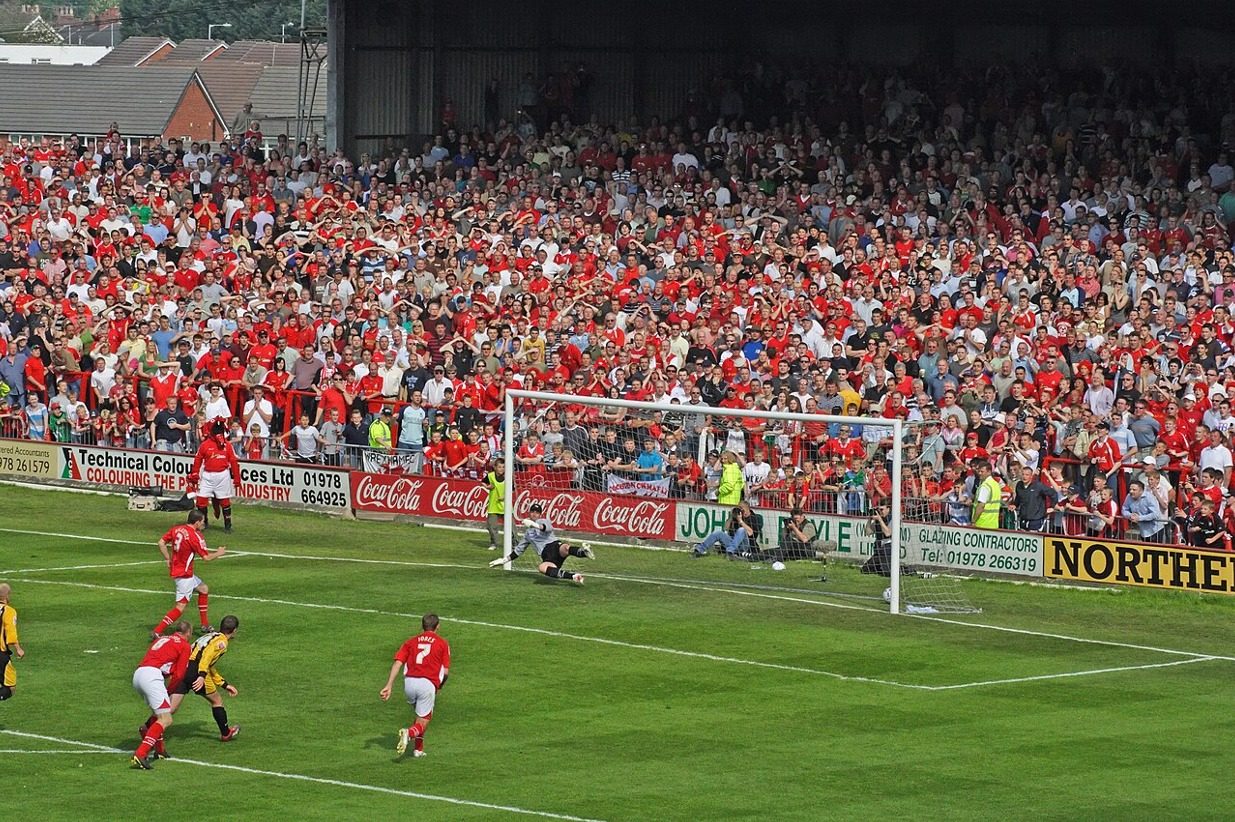

Clubs built around their people
In Europe, fans aren’t only in the stands. They’re part of the club (often literally).
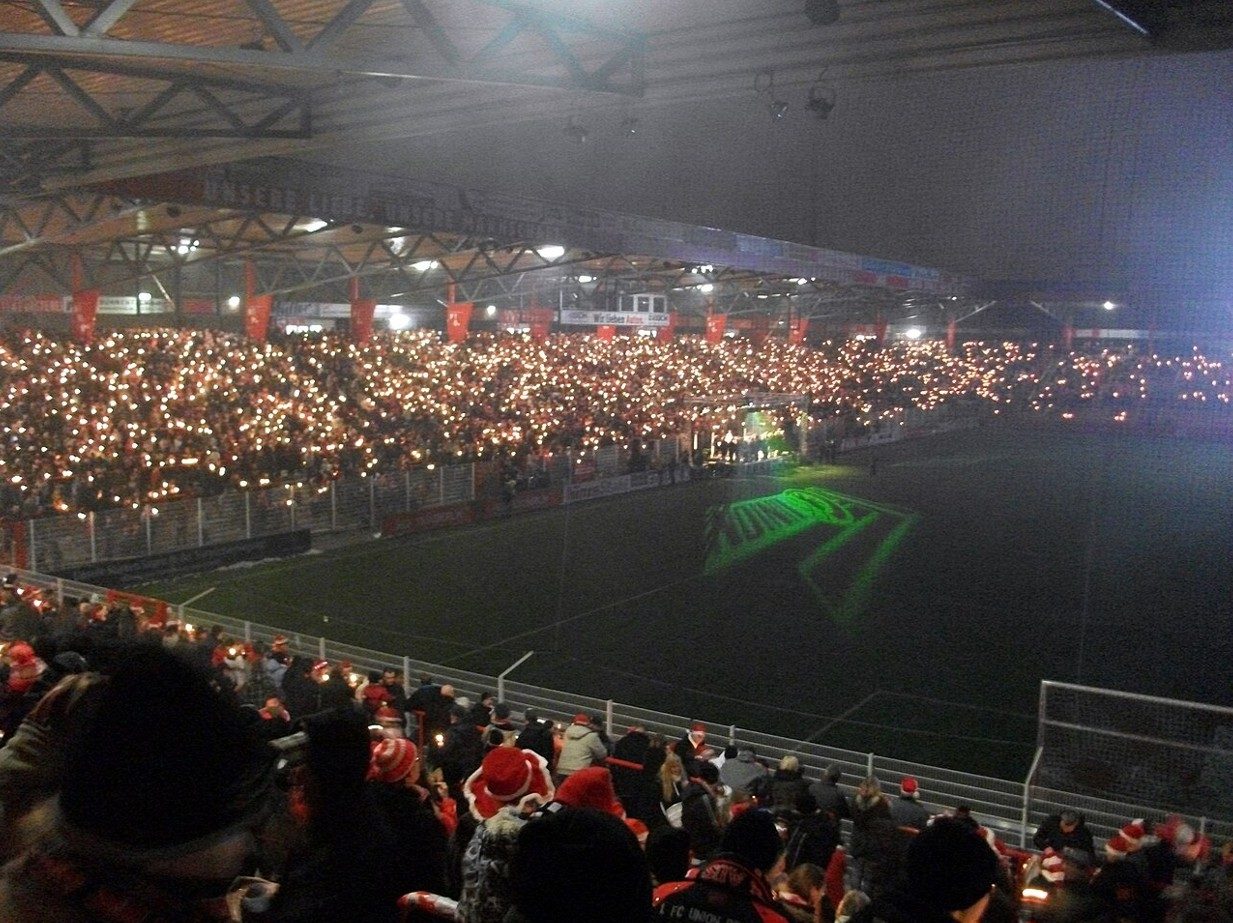
Union Berlin is the best example I know. In 2004 the club couldn’t afford the license to play fourth-division football. Fans ran a campaign called “Bleed for Union”: they gave blood and handed the money to the club. In 2008 the stadium was falling apart, so about 2,500 fans rebuilt it themselves, more than 140,000 hours of work. The saying around the club is: “We don’t go to the football. We go to Union.”5
Every December, Union fans fill that stadium to sing Christmas carols. It started in 2003 with 89 people. Last year 28,500 came, more than can attend a league game.6 The club has over 72,000 members, three times what the stadium holds.7

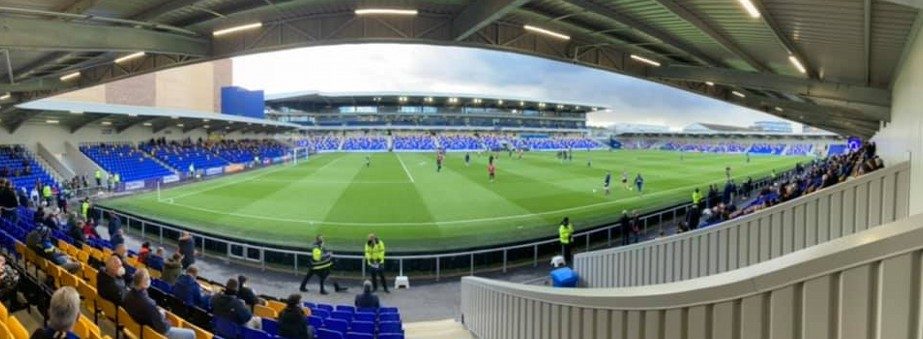
When Wimbledon FC was moved to another town in 2002, its supporters started a new club from nothing. Nine years and five promotions later, AFC Wimbledon was back in the Football League, owned by its fans.8

And it isn’t only small clubs. Bayern Munich has more than 400,000 members. Everyone who joins gets a personalized scarf, and every year the club honors people who’ve been members for 50, 60, and 70 years.9
None of this depended on winning. Sunderland was in the third tier. Union couldn’t pay for a fourth-division license. Wimbledon started in the ninth. The fans had a role in the club, and that held.
Why it’s different here
US teams are franchises, and the fan relationship is mostly rented out. As I wrote last time, ticketing, retail, broadcast, and the app are each run by a different partner, and each one holds its own piece of the fan.10 That alone puts distance between a team and its fans. It doesn’t explain the whole gap with Europe, but it explains a lot of it.
American fans don’t care any less. It’s just that opportunities to connect skew transactional rather than communal.
Season ticket holders are the closest thing we have to members in the US, but most fans will never be one. Loyalty programs reward the purchase, not the person. There’s nothing for everyone else that says: you’re part of this.
What Cota believes
I want to be careful here. American sport is the best sports business in the world, and franchise values show it. The model isn’t broken, and nobody should try to turn the NFL into the Bundesliga.
Cota believes in a world where the commercial strength of US sport stays exactly in place, and the community elements other sporting cultures have built are invited in to add to it. Membership, belonging, and a real role for fans don’t compete with the business. They make the whole ecosystem stronger, for fans, for teams, and for the partners around them.
Cota’s ambition
We think it starts with a word American fans already know. College sports made “collective” mean fans and boosters pooling their money around a team they love. We think the idea is bigger than that, and that it has a place in pro sport.
For us that means fans organized around the team they love, with a real connection beyond just transactions.
Fans here won’t rebuild a stadium by hand like they did at Union. But they can help build what comes next for their team, and participate in that growth.
That’s what we’re working on at Cota, with rights holders and not around them. We’ll keep sharing more as we make progress.
It’s the same view as last time. Fans are the asset, and teams should keep on investing in that asset. We think belonging and connection are the place to start.
Worth watching
If you want to feel what I’m describing, start here:
- Sunderland ’Til I Die, official trailer (Netflix)
- Welcome to Wrexham, official trailer (FX)
- Reuters: German fans sing Christmas carols at Union Berlin
- Tifo Football Podcast: how Ryan Reynolds and Rob McElhenney fell in love with football
- Anthony Clavane, “Sunderland: where the terraces are a refuge from the uncertainties of Brexit,” The Guardian, 10 Feb 2019.
- 2018–19 EFL League One attendance table (Sunderland 32,157; Portsmouth 18,223).
- “Sunderland’s Boxing Day crowd will be biggest in third tier for 39 years,” BBC Sport.
- “Rob McElhenney and Ryan Reynolds: Stars never met before buying Wrexham,” BBC Sport, 10 May 2021.
- Michael Butler, “Blood, sweat and cheers: how Union Berlin rose from ruin to Europe’s elite,” The Guardian, 2 Oct 2023.
- rbb24 on the 2025 Union Berlin Christmas singing, 23 Dec 2025 (in German).
- 1. FC Union Berlin: 72,172 members as of 30 June 2026; league-match capacity 22,012.
- Rob Stevens, “AFC Wimbledon finish Plough Lane odyssey 18 years after formation,” BBC Sport, 2 Nov 2020.
- “Membership rises to 400,000,” FC Bayern, 27 Feb 2025.
- Jake Kearns, “Where’s the innovation in sports?” Cota, 3 Nov 2026.
- “Wrexham promotion: Why the Wrexham Supporters Trust deserves as much credit as Rob and Ryan,” Nation.Cymru, 5 May 2023.
Building with a small group of design partners.
If you run commercial, membership, or fan strategy at a team and this sounds like what you need, join the list and we’ll be in touch.
Join the founding listAll posts